





 Back to
How Can You Prevent Serious Damage Before It Happens?
If you're renting out a property in Spain or along the Costa Brava, the threat of guest-inflicted damage isn't hypothetical—it's a reality. Scratched floors, broken furniture, noise complaints, and unpaid bills aren't rare events; they’re symptoms of a missing system: guest screening.

Why Is Guest Screening More Than Just a Good Idea?
Managing short-term rentals without proper guest screening opens the floodgates to financial risk and operational chaos. Screening isn’t just about avoiding obvious criminals; it's about identifying risky behavior, lack of respect for property, and patterns of disruption. Vacation rental platforms show clear trends: hosts who screen get fewer complaints, pay less in repairs, and have higher guest satisfaction scores. In Spain’s competitive rental landscape, this is not optional—it's essential.
What Should a Proper Guest Screening Process Include?
1. Identity Verification
Start with the basics: require guests to upload valid ID (passport or national ID) and provide full legal names, date of birth, and country of origin. This simple step filters out a significant portion of problematic bookings.
2. Use Technology to Check Backgrounds
Guest screening software connects to global databases that detect fraud, flag suspicious bookings, and report histories of misconduct. These platforms often integrate directly with your Property Management System (PMS), flagging guests who have been involved in previous incidents.
Recommended tools:
• Autohost – AI-driven risk assessment
• Superhog – guest verification & insurance
• Check-in Scan – used widely in Spain for reporting guest data to police
3. Sync with Police Databases
Spanish law mandates that landlords register guests with the police. With services like Check-in Scan or ChargeAutomation, you can submit ID data to local police and receive immediate flags if issues arise. This process both complies with legal requirements and adds a layer of vetting.
4. Set Clear Rejection Criteria
Define what makes a booking high-risk. No ID, unverified profiles, mismatched payment methods, or guests with no reviews? These could trigger automatic denials or manual reviews. Setting these thresholds prevents headaches later.
How Do You Use Deposits Effectively to Deter Damage?
Be Transparent About Deposits
State clearly in your contract: how much the deposit is, when it's collected, how it’s returned, and under what conditions it can be retained. Spanish law varies by region, but tourist rentals are often allowed to require one month’s rent as a deposit.
Document the Property Condition
Before check-in, take timestamped photos or videos of your property. Send guests a pre-arrival condition report and have them sign off. This prevents disputes about "existing damage" when they check out.
Conduct Post-Stay Inspections
After check-out, do a full walkthrough. If everything checks out, return the deposit promptly. If not, document the damage and notify the guest immediately with evidence.
What Triggers a Deposit Hold?
Your agreement should list clear reasons for withholding deposits, such as:
• Physical damage (walls, furniture, fixtures)
• Evidence of smoking or pets if prohibited
• Unauthorized guests or parties
• Violation of house rules
What Extra Layers of Protection Can You Add?
Define and Enforce House Rules
Post and share clear house rules:
• No parties
• No noise after 10 p.m.
• No extra guests
• Trash disposal guidelines
Reinforce them in your rental agreement and confirm acknowledgment from the guest.
Use Legal Monitoring Alternatives
Installing surveillance cameras inside a rental property is illegal under EU privacy laws and Spain’s
data protection regulations. However, legal alternatives include:
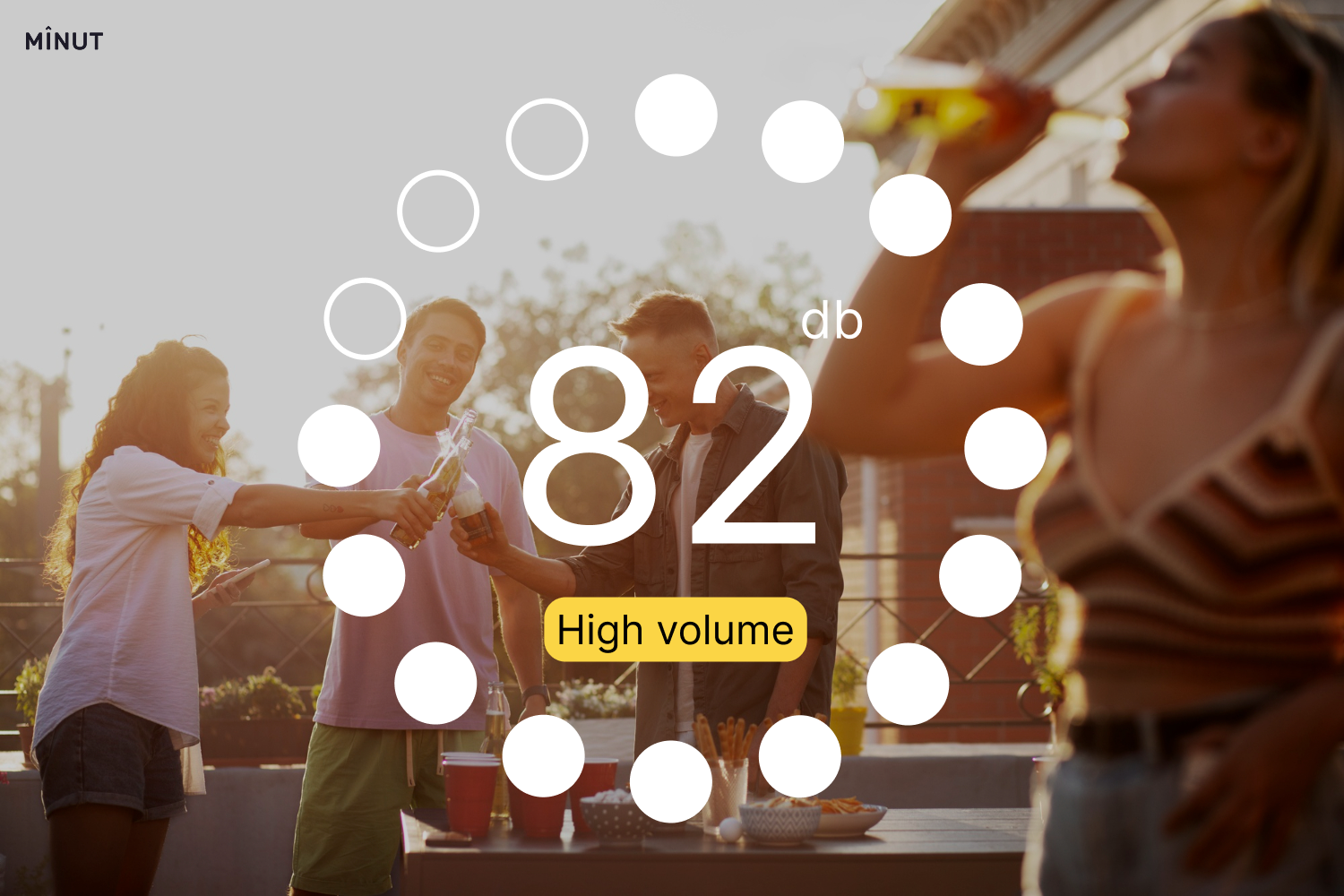
• Noise monitors (e.g., Minut) – These track sound levels without recording audio, helping enforce party restrictions without violating privacy.
• Smart locks – Provide access logs without video surveillance.
• Motion sensors at entry points – Allowed if they do not record visual data and are disclosed in advance.
Stay Compliant with Local Regulations
In Spain, regional laws around tourist rentals are tightening. Some municipalities require you to register your property, install signage, or even cap the number of allowed rentals. Guest vetting is increasingly seen as part of regulatory compliance.
Keep the Neighborhood in the Loop
Let neighbors or building managers know you operate a vacation rental and encourage them to alert you about any disruptive behavior. Their feedback can act as your eyes and ears when you're not on-site.
What's the Step-by-Step Safety Checklist for Costa Brava Property Owners?
1. Collect full guest details and ID in advance
2. Verify data through police-compliant software
3. Draft a rental contract with a damage deposit clause
4. Do a video inspection before check-in
5. Reiterate house rules at check-in
6. Conduct a post-stay inspection
7. Use tech tools like noise monitors and access logs
8. Document everything—photos, communication, receipts
9. Stay updated on local rental laws and obligations
10. Maintain good communication with guests and neighbors
What Mistakes Should You Avoid at All Costs?
• Not documenting property condition before and after a stay
• Assuming deposits are enough without rules or inspection
• Letting anyone book without screening
• Not registering the rental legally
• Avoiding conflict when action is needed
• Failing to stay updated on regional rental laws
These oversights can lead to fines, property damage, or a revoked rental license.
Why Is This Especially Critical in Spain and Costa Brava?
Tourism is booming—and so is regulation. The Costa Brava, in particular, is under pressure from local governments to curb over-tourism and regulate short-term rentals. Vetting your guests, collecting deposits, and enforcing behavior standards not only protect your property, but also preserve your right to rent legally.
Final Word: Peace of Mind Comes from Process
Establishing a guest screening system isn’t just a precaution—it’s a long-term strategy. With clear rules, the right tools, and legal compliance, you reduce risk, increase profitability, and ensure your property isn’t just a short-term rental—it’s a long-term asset.


